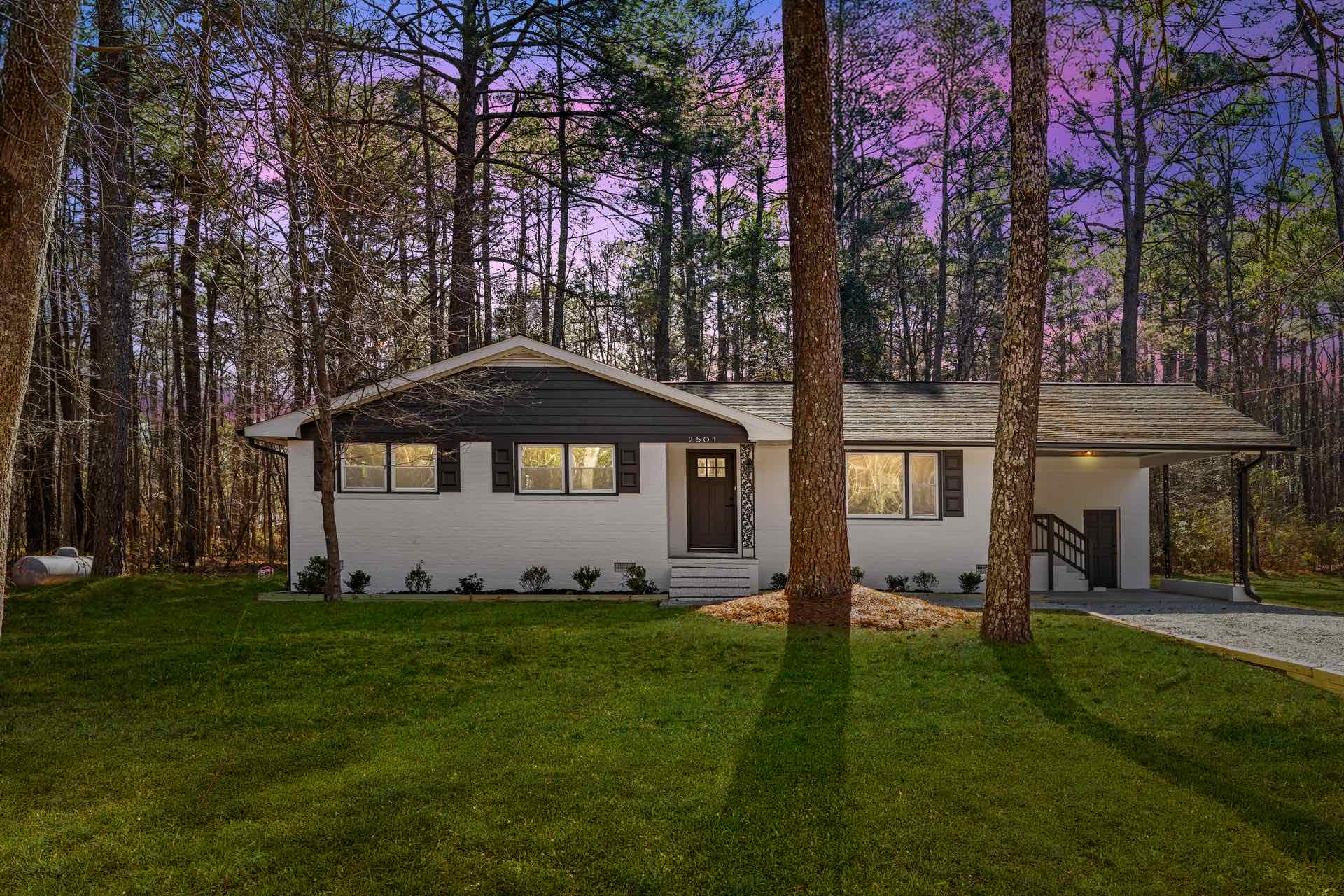







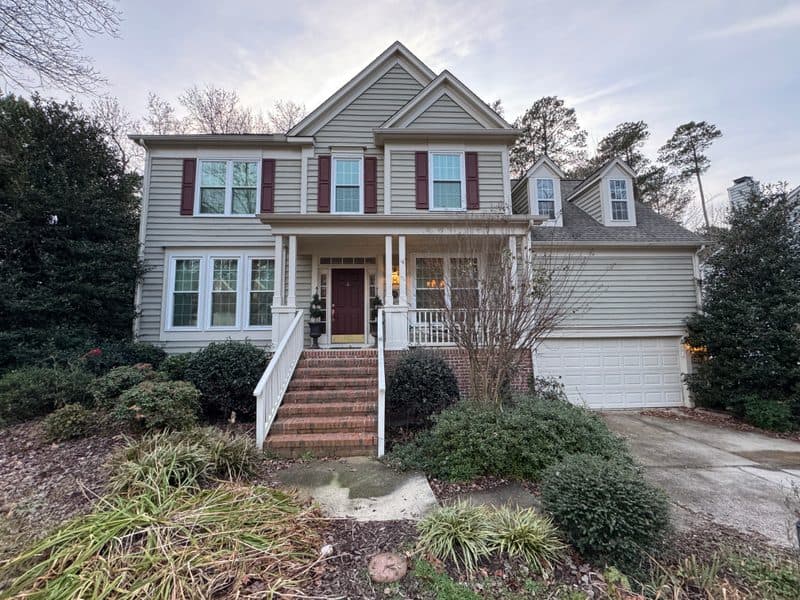
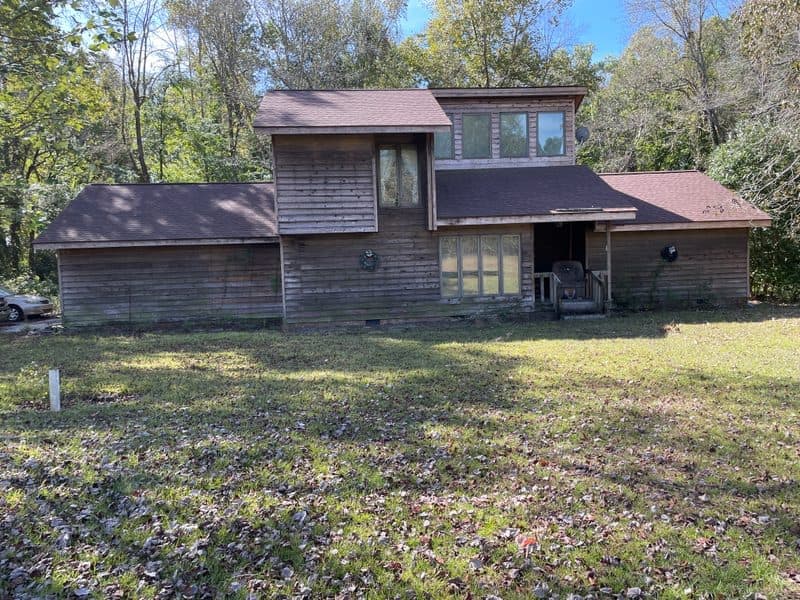
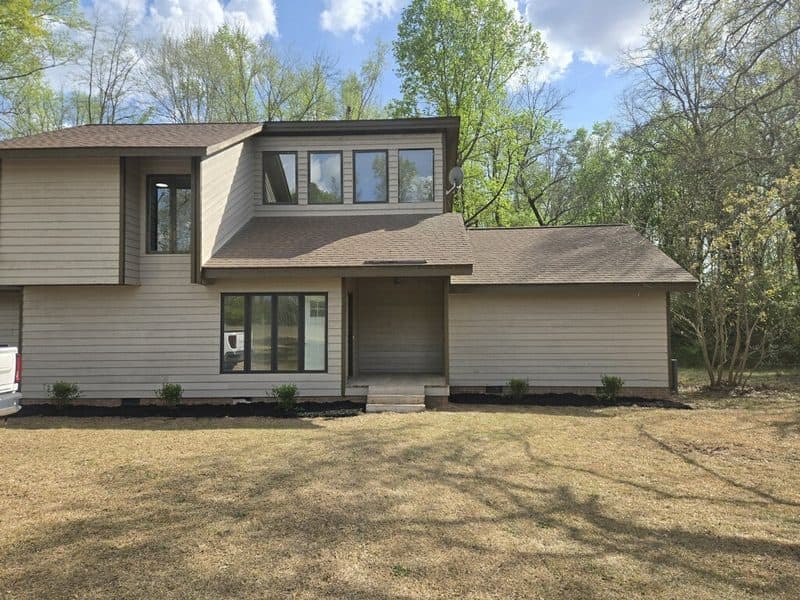
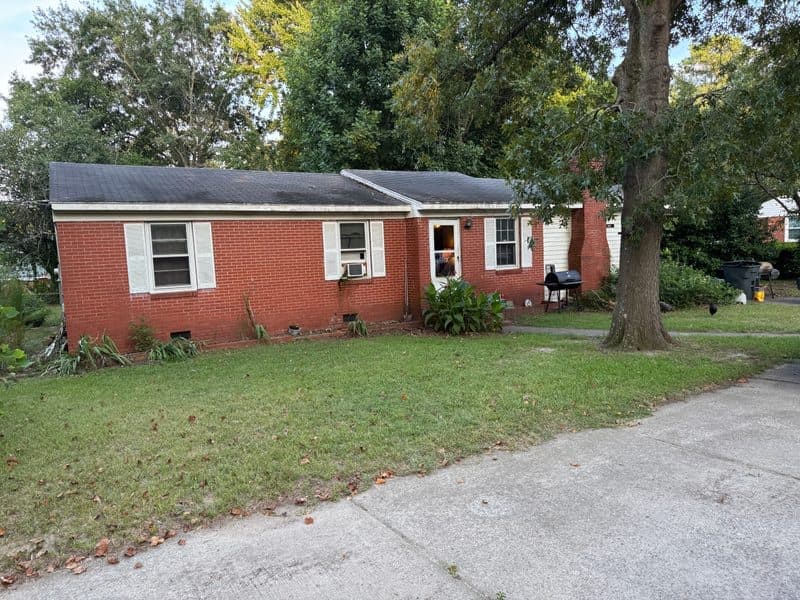
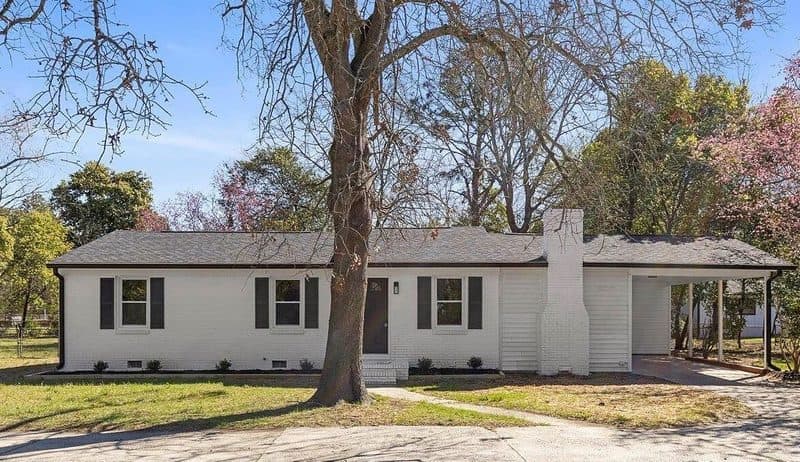
When someone in Asheboro searches “we buy houses Asheboro NC,” they’re usually carrying a specific situation. An older home near downtown inherited from a parent or grandparent. A rural Randolph County property with acreage that’s become more burden than asset. A failed septic system on an unincorporated tract that just killed a financed sale. A property where the seller is leaving the area for work or family and needs a hard close-by date. The common thread is timing or condition complications that traditional listings struggle with.
At Atlantis Homebuyers we’re a local NC cash buyer, family-owned since 2018, BBB Accredited, and we close on Asheboro and surrounding Randolph County properties as a regular matter. The page below walks through what makes the Asheboro seller market different from larger Triad metros and where a cash sale beats a listing path on the math.
Why Selling an Asheboro Home Looks Different
Asheboro’s seller market behaves differently from Greensboro’s, Winston-Salem’s, or other larger Triad metros for four concrete reasons that change how an offer is priced and what timeline applies.
First, Asheboro is a smaller regional center serving a predominantly rural Randolph County. Population around 27,000 in the city itself, with the broader county population running near 140,000 spread across small towns (Archdale, Trinity, Randleman, Liberty, Ramseur, Seagrove, Franklinville) and unincorporated rural acreage. The seller pool blends Asheboro-proper city residents with property owners across that broader rural footprint. Many Randolph County properties sit on private septic and private well systems on larger acreage, which changes financed-buyer underwriting in ways smaller-metro sellers don’t always anticipate when first listing.
Second, Asheboro’s housing stock skews newer than Greensboro’s or Winston-Salem’s on average. Pre-1950 stock exists near the historic downtown core and in older sections of surrounding towns, but the dominant pattern across Asheboro and Randolph County is 1960s-2010s residential construction. The dominant condition issues are therefore newer-build issues (1965-1972 aluminum wiring on mid-century ranch homes, polybutylene plumbing on 1985-1995 suburban builds, builder-grade HVAC at end of life on 2000s construction, LP siding rot) rather than the knob-and-tube and lead paint catalog dominating older Triad anchors.
Third, Randolph County’s rural character means a meaningful share of properties sit on septic and well. The Randolph County Health Department permits both septic systems and private wells, and any prior issues (failed septic, failed perc tests, well water quality flags, unrecorded permits) surface in due diligence on rural Asheboro properties at much higher rates than in the urban Triad metros. Cash sales close around these system issues; financed sales don’t.
Fourth, Asheboro and Randolph County have an unusually high concentration of long-tenured original-owner homes that are now passing to adult children. Randolph County’s aging-owner demographic produces a steady inheritance-driven sale pattern. Out-of-state heirs to an Asheboro family home or a rural acreage tract are common Atlantis sellers; the closing logistics differ from a primary- residence Asheboro sale.
Asheboro’s Aging-Owner Inheritance Density
Randolph County’s population skews older than the Triad metros, with a meaningful share of homes owned by long-tenured original owners now in their 70s, 80s, or 90s. As original owners pass or move into assisted living, adult children inherit. The adult children frequently live in other states by that point, having relocated for work decades earlier, and the inherited Asheboro or rural Randolph County property becomes an out-of-state probate situation rather than a local sale.
For inherited Asheboro property, four practical realities affect the sale path:
Mail-away closing is standard. We coordinate documents through a Randolph County title company. The title company FedEx-overnights documents to wherever the heirs are, each heir signs with a local notary, ships the documents back, and the wire goes to whichever account the estate designates when the deed records at the Randolph County Register of Deeds in Asheboro.
Multi-heir signature coordination adds days. An Asheboro inherited property with five heirs scattered across four states needs coordinated signing windows. We can structure for that, but the close window stretches from 14 to 21 or 30 days.
Decades of belongings inside the home. Long-tenured original-owner homes typically have 30, 40, or 50+ years of accumulated belongings. We don’t require any cleanout. Take what’s meaningful and leave the rest; we handle full clean-out at our cost after closing.
Probate timing. We can usually contract on an inherited Asheboro property while probate is open, contingent on probate completion before closing. NC probate timelines vary by county and complexity.
See our inherited property hub for the full closing logistics.
NC Zoo Tourism, Short-Term Rentals, and the Asheboro Investor-Sale Pattern
The NC Zoo at Asheboro draws steady regional and out-of-state tourism, which has produced a meaningful concentration of short-term-rental and tourism-adjacent investment properties in and around Asheboro since the rise of platforms like Airbnb and VRBO. This investor stock creates its own sale pattern.
Tired-investor STR sales after multi-year operation. STR ownership sounds passive at the start and reveals as a labor-and-cost-intensive business after a few years of cleaning coordination, deferred maintenance, regulatory navigation (Asheboro and Randolph County have evolving STR regulations), and seasonal income volatility. Investors often reach an exit point and prefer a cash sale that doesn’t require coordinating booking calendars or guest cleanout.
Off-season cash-flow pressure. NC Zoo seasonality concentrates STR income in spring through early fall. Winter months produce thinner bookings. Investors carrying mortgages or operating costs during the slow season sometimes need cash exits faster than a financed buyer can deliver.
Conversion sales (STR back to long-term residential). Some sellers exit the STR business by converting the property back to long-term residential or selling outright. We close on either path; tenant or guest coordination is our responsibility post-closing.
STR-operated properties also sometimes carry condition characteristics specific to high-turnover tourism use: accelerated wear on flooring, paint, fixtures, and HVAC; deferred maintenance from owners prioritizing booking availability over upkeep cycles; and inventory of furnishings and supplies that the seller may want to include or exclude from the sale. We handle these structures.
The Asheboro Condition Catalog
Asheboro and Randolph County housing stock concentrates a condition catalog tilted toward mid-century and 1990s-era builds, with a smaller pre-1950 historic-core component and a meaningful rural-acreage tier. Each era has its own profile:
Older downtown Asheboro homes (pre-1950). Standard older-home issues apply on a smaller share of total Asheboro housing stock than in older Triad metros: knob-and- tube wiring in original sections, layered lead paint, galvanized supply plumbing, foundation settlement on rubble or early concrete-block stem walls, asbestos siding common in mid- century renovations.
1960s-1980s ranch and split-level builds. Common across Asheboro neighborhoods and surrounding small towns. Aluminum wiring (a fire-hazard concern most homeowner insurers won’t cover without remediation) appears on many 1965 to 1972 builds during the copper-shortage era. Aging HVAC, original electrical panels, asbestos floor tile in some basements, period-typical kitchens and baths predating modern code requirements.
1990s suburban builds. Polybutylene plumbing common on 1985-1995 Asheboro and Randolph County builds. EIFS synthetic stucco less common here than in wealthier Triad submarkets but present in some upper- tier neighborhoods. LP and Masonite hardboard siding rot at trim joints common.
2000s and 2010s newer construction. Builder-grade HVAC reaching end of life on 2000s builds (year 18-22 failure window). LP and HardiePlank siding installation issues from rapid-build periods. Crawlspace ventilation issues on Randolph County’s clay soils.
Rural Randolph County septic and well. Failed perc tests, failed septic systems, well water quality issues, unrecorded permits, undocumented improvements. These affect listed financed sales heavily and cash sales not at all.
We buy with any combination of these in place. Repair work prices into the offer.
Rural Randolph County Closing Mechanics
Asheboro and surrounding Randolph County include a meaningful share of properties sitting on septic and private well rather than municipal water and sewer. The Randolph County Health Department permits both septic systems (NC GS 130A) and private wells, and any prior issues surface in due diligence at closing on a rural property.
For listed sales with financed buyers: failed septic disqualifies the loan. FHA, VA, and conventional underwriting all require working septic at closing. Replacement permits through Randolph County Health Dept typically run 30 to 60 days from initial soil- evaluation application through permit issuance, plus another 14 to 30 days for installer scheduling and final inspection. Total replacement cycle: 60 to 120 days. Most rate-lock windows on financed loans don’t accommodate that.
For listed sales with USDA Rural Development buyers (a common financing path on rural Asheboro acreage): the underwriting cycle stretches even longer (60-90 days typical) and USDA Minimum Property Requirements are stricter on rural systems than FHA. USDA conditional commitments fall through more often than conventional commitments.
For cash sales: we close around the failed septic, marginal well, or unrecorded permit and absorb the replacement-and-cleanup timeline post-closing. The seller exits at closing; the system replacement and any related cure happens after on our timeline.
Septic replacement cost ranges in Randolph County: conventional gravity systems run $5,000 to $15,000; alternative systems (LPP, drip irrigation, mounded) for difficult soils run $15,000 to $35,000. We absorb that range as part of the offer math.
What a Real Cash Sale Looks Like in Asheboro
A real cash sale in Asheboro means a buyer with verified liquid funds (proof of funds dated within 30 days, in entity name signing the contract), no financing or appraisal contingency, no inspection re-trade, and a written contract that names a specific Randolph County title company. Several other approaches get marketed in Asheboro and Randolph County as cash and operate differently.
Lead-generation sites collect contact information through instant-offer forms and resell to whichever investor pays. National algorithmic programs (Opendoor, Offerpad) operate in the wider Triad and sometimes extend offers on Asheboro properties, but they decline rural Randolph County acreage more often than they approve it because their algorithm relies on dense comparable-sales data the rural market doesn’t produce. When they do offer, they build in 5 percent or higher service fees and reserve a re-trade right after a 14-to-21 day inspection. Sale-leaseback operators pitch staying in the home as a renter. Cash-advance lenders disguised as buyers offer cash advances against equity but don’t actually purchase the property.
Verifying a real Asheboro cash buyer takes ten minutes: written proof of funds dated within 30 days in the contract entity name, a specific Randolph County title company named in the contract that you can call directly, and references from prior Asheboro or Randolph County closings. We provide all three on request.
How a Cash Sale Compares to a Traditional Listing in Asheboro
On an Asheboro home with a $195,000 retail comparable value, the traditional listing path runs through several stacked costs that compress the headline number into a much smaller net.
Agent commissions of 5 to 6 percent ($9,750 to $11,700) on the closed sale price.
Seller closing costs of 1 to 3 percent ($1,950 to $5,850), covering the seller side of standard NC closing line items.
Pre-listing repairs. Variable by condition. A well-maintained Asheboro 1990s suburban home might need a $5,000 cosmetic refresh. A 1968 ranch with aluminum wiring, original windows, aged roof, and kitchen-and-bath updates needed runs $25,000 to $60,000+ to bring to financed-buyer-pass condition.
Post-inspection concessions of $3,000 to $10,000 typical on Asheboro homes once buyer-side inspection completes. Higher on properties with system flags (septic, well, electrical, roof).
Carrying costs of 2 to 4 months while listed ($3,000 to $7,000 typical on a $195,000 Asheboro home). Asheboro’s smaller buyer pool means longer days on market in many price segments, which compounds carrying costs. Properties on rural acreage or septic-and-well systems typically sit longer than in-town properties.
Our cash number is lower than the $195,000 sticker but it’s also the actual amount you receive, with no fees or carrying costs subtracted. Asheboro sellers running the math against the typical listing path often find the gap is meaningfully smaller than the sticker comparison suggests, especially on rural acreage where USDA buyer cycles and FHA Minimum Property Requirements compound listing risk. See our NC selling-cost breakdown for full numbers across financing scenarios.
Randolph County Closing Mechanics for Asheboro Properties
An Asheboro cash close runs through a Randolph County title company or attorney closing office, typically based in Asheboro itself. Title work pulls deed history, checks for liens at both the City of Asheboro municipal lien register and the Randolph County Register of Deeds, confirms the legal description, pulls Randolph County Health Department records for any septic and well permits, and clears any title issues that surface during the search.
For a clean-title Asheboro in-city property, title work runs 7 to 10 business days. For rural unincorporated tracts on septic and well, expect 14 to 21 days due to additional health department records pulls. For acreage with boundary ambiguities, undocumented improvements, or present-use-value tax status, the cycle stretches further. We coordinate whatever’s needed.
At closing, the seller signs the deed and the closing statement. Funds go into escrow, the deed records at the Randolph County Register of Deeds in Asheboro, and the wire goes to the seller’s designated account, usually the same business day the deed records.
Common Reasons Asheboro Sellers Reach Out
Patterns we see often enough to be worth listing:
Inherited Asheboro or rural Randolph County property. Out-of-state heirs to a long-tenured original-owner Asheboro home or a family farm. Mail-away closing through a Randolph County title company is standard. See our inherited property hub.
Rural Randolph County farm or acreage owner exiting active operation. Aging farm owner stepping back, family member who inherited farmland and isn’t farming it, or seller done with the cost of maintaining acreage and outbuildings. We buy with the acreage, outbuildings, and any working-farm leases or use agreements in place.
Failed septic on an unincorporated tract. Financed buyer walked after Randolph County Health Department soil evaluation came back marginal or failed. Seller faces $5,000 to $35,000 system replacement plus 60 to 120 day timeline with traditional listing.
Tired-investor STR portfolio sale. NC Zoo-area Airbnb or VRBO rental exiting the short-term- rental business. We close around active bookings or coordinate guest-cleanout post-closing.
Tired-landlord long-term rental. End of a multi-year run on an Asheboro long-term rental. See our landlord situation hub.
Aging-owner downsize or assisted-living transition. Common in Randolph County’s older-owner demographic. Cash sale eliminates the listing-prep burden during a difficult family transition.
Job relocation timeline. Hard report-by date in another city or state, often at a regional employer or specialty manufacturing role.
Open Asheboro code violation case. Compounding fines on a property the seller can’t bring into compliance. See our major-repairs situation hub.
Pre-foreclosure with hard Randolph County trustee sale date. Trustee sale at the Randolph County Courthouse in Asheboro on a non-negotiable date.
What to Bring to a First Conversation
- Property address and access situation
- Year built and condition headlines
- City limits or unincorporated Randolph County
- On septic + well, or municipal water + sewer
- Any acreage, outbuildings, or farm-use considerations
- Open code cases at City of Asheboro or known Randolph County health flags
- Active mortgage and approximate payoff balance
- Your timing constraint and what’s driving the sale
Ready for an Offer on Your Asheboro House?
Tell us about the property. We’ll send a written cash same-day offer. No fees, no obligation, no high-pressure sales calls.
Below are the questions Asheboro sellers most often ask before signing.