What Happens If You Don't Pay Property Taxes in NC?
By AJ (Asad Jamal)
A North Carolina home we bought as-is and renovated after closing.
By the time most people call us about back property taxes, the situation has been building for a while. The bill went unpaid one year, then another, the interest kept stacking, and eventually an envelope showed up from the county with the word "foreclosure" printed somewhere inside it. Sometimes it is a house someone inherited and could not afford to keep up. Sometimes it is a rental that stopped paying for itself. Sometimes a job loss or a medical bill made the property tax the one thing that had to wait. However you got here, I want to be straight with you about how this actually works in North Carolina, because the county's letters tend to read scarier than the real timeline, and you usually have more room to act than it feels like right now.
This is a plain-English walkthrough of what happens when you do not pay property taxes in NC: when the bill is actually late, how the interest and the tax lien work, what the county can do to collect, how a property tax foreclosure runs, and the options you still have at each step, including selling the house and clearing the taxes at closing. If you want the shorter version aimed at sellers, our guide to selling a house with delinquent property taxes in NC covers it. This post is the long version.
When NC Property Taxes Are Actually "Late"
North Carolina property taxes run on a fixed schedule set by state law, and it is worth knowing the real dates because the county's notices do not always spell them out clearly.
Due September 1. Your county tax bill for the year is due on September 1.
Payable at face value through January 5. You can pay the bill at par, with no interest, any time up to January 5 of the following year. That is your real grace window.
Delinquent January 6. On January 6 the bill becomes delinquent under North Carolina General Statute 105-360, and interest starts.
The interest is set by statute, not by your county's mood. It runs at 2 percent for the period from January 6 to February 1, then adds three-quarters of one percent (0.75 percent) for each month after that until the taxes, interest, and any costs are paid in full. It is not a huge monthly number on a small bill, but it never stops, and on a multi-year delinquency it adds up to real money on top of the taxes themselves.
About AJ Jamal, Founder of Atlantis Homebuyers
Watch AJ's take · about 1 minute
The Tax Lien That Sits on Your House
Here is the part most homeowners do not realize. In North Carolina, a lien for the property tax attaches to your real estate on January 1 of the year the tax is charged, under General Statute 105-355. That happens automatically, before you even get the bill, and it does not require the county to file anything or take you to court.
That tax lien is also senior to almost everything else recorded against the property, including a mortgage your lender recorded years earlier. That seniority is exactly why, when any house with back taxes sells, the delinquent taxes get paid first, ahead of the mortgage, out of the sale proceeds. It is also why a title company will not let a normal sale close without clearing them. The lien does not just sit there quietly forever, though. Eventually the county uses it.
How the County Collects Before It Ever Forecloses
Foreclosure is the last step, not the first. Once your taxes are delinquent, North Carolina law gives the county tax collector several collection tools it can use without going to court first:
Attachment and garnishment. The tax collector can attach and garnish your wages, your bank accounts, rent your tenants owe you, and even your North Carolina income tax refund, under General Statutes 105-366 through 105-368. This is an administrative process. No lawsuit required.
Levy on personal property. The sheriff can seize and sell personal property to satisfy the tax.
Foreclosure of the real estate. And when the county decides the lien is the cleanest way to collect, it can foreclose on the house itself.
Different counties move at different speeds. Some start enforced collection within months of delinquency. Others let taxes ride for a year or two before they escalate. We have seen Wake, Durham, Cumberland, and Johnston county accounts all over that range. The trouble is you do not get to choose which kind of county you are in, and the letters rarely tell you how close you actually are.
How Property Tax Foreclosure Works in North Carolina
If the taxes stay unpaid, the county can foreclose the tax lien. North Carolina allows two methods, and the difference matters for how fast it moves:
Mortgage-style foreclosure (General Statute 105-374). The county files a lawsuit in the county where the property sits, in the nature of an action to foreclose a mortgage. It names you and any other lienholders, runs through the court, and ends in a court-ordered sale. This is the slower, more formal route.
In rem foreclosure (General Statute 105-375). Instead of a full lawsuit, the tax collector files a certificate with the court and, after notice, dockets a judgment against the property. It is cheaper and faster for the county, which is why many North Carolina counties use it as their default. Before docketing, the tax collector has to mail you notice at your last known address, and notice to other lienholders, at least 30 days ahead, by registered or certified mail with return receipt.
Either way, the process ends with a public sale. After the sale there is a 10-day window for anyone to file an upset bid (a higher bid), and each upset bid restarts another 10-day window. Once the bidding finally settles, the court confirms the sale and a Commissioner's Deed transfers the property to the buyer. From the first foreclosure filing to a confirmed sale, an in rem case can run in a matter of months, not years.
Can Someone Take Your House Just by Paying the Taxes?
This is the single most common fear we hear, and the answer in North Carolina is no. North Carolina does not sell tax lien certificates to private investors. The legislature abolished that back in 1983. A stranger cannot quietly pay your overdue taxes and walk away owning your house. The only party that can foreclose for unpaid property taxes is the county itself, and the way it collects is by selling the property at a public auction that you are notified about, not by handing your deed to whoever paid the bill.
That distinction matters, because it means two things are true at the same time: nobody is going to steal the house out from under you over a tax bill, and the county genuinely can sell it at auction if the taxes stay unpaid long enough. Both. The fear is overblown and the risk is real, just on a slower and more visible timeline than the rumors suggest.
You Can Sell or Pay Off Right Up Until the Sale Is Confirmed
Here is the most important thing to take away. In North Carolina you keep the right to redeem the property, meaning pay off the taxes, interest, penalties, and costs and stop the foreclosure, at any point before the court confirms the sale. Selling the house counts as paying it off, because the back taxes come straight out of the sale proceeds at closing.
And if it ever does go all the way to a confirmed auction sale and the property brings more than the taxes and costs, that surplus does not just disappear into the county's pocket. It is held by the Clerk of Court for the people entitled to it, starting with you as the former owner. A 2023 U.S. Supreme Court decision, Tyler v. Hennepin County, confirmed that the government cannot simply keep your equity. But chasing surplus funds after an auction is a slow, discounted way to recover what is yours. Selling the house yourself at full value, before the auction, keeps you in control of the number and the timing.
If a sale date is already on the calendar, time is the one thing you cannot get back. Call us at (984) 205-6984 or fill out the form on this page, and we will look up your tax account and put a free, same-day cash offer in front of you, with the back taxes accounted for. The earlier we look, the more room you have to act before the county does.
Your Three Real Options
If you are behind on property taxes in NC and the bill is not something you can simply write a check for this week, the path usually comes down to one of three:
Option 1: Come Up With the Money and Keep the House
The cleanest outcome on paper is to pay the back taxes and move on. The reality of getting there has more friction than it sounds, especially once you are a year or more behind:
Week 1. Call the county tax office for the exact payoff, which is the taxes plus statutory interest plus any costs already added, and it grows every month. Then figure out where a lump sum that size comes from.
Weeks 1 to 6. The funding sources each have a catch. Savings is the easy one if you have it. A cash-out refinance or a HELOC sounds obvious, but lenders pull credit and check title, and an active tax lien plus the late payments that often come with it make approval hard and slow, frequently 30 to 45 days when the foreclosure clock is already running. A personal loan to cover several thousand dollars in back taxes can carry a double-digit interest rate. A county payment plan is sometimes available, but it requires you to stay current going forward on top of catching up, and missing it can restart enforcement.
The whole time. The statutory interest keeps adding 0.75 percent a month, and if the county has already started an in rem case, the clock to a confirmed sale keeps ticking while you arrange financing. You are solving a money problem with more borrowed money, on a deadline you do not fully control.
This works fine if you have the cash on hand, or solid credit and enough time to get a loan approved before the sale is docketed, and the underlying reason the taxes went unpaid has actually been fixed. It does not work fine if any of those is missing, and it works least well when the tax bill is a symptom of a bigger squeeze: an inherited house nobody can afford, a rental that stopped paying for itself, a job loss, an illness, a divorce. Most of the owners who call us tried to put the money together for a while first, watching the interest climb and the deadline get closer. The most common thing they say is they wish they had picked up the phone sooner, before they spent months chasing a loan they were not sure would come through.
Option 2: List the House on the Open Market
You can absolutely list a house that has back taxes on it. The delinquent taxes get paid out of the proceeds at closing, the same as any other lien, and you keep what is left after the mortgage and the taxes. The question is time. A traditional listing in North Carolina runs 30 to 60 days on market on a good day, and then another 30 to 45 for a financed buyer to close. If the county has not started foreclosure yet, that may be plenty of time. If a sale date is already on the calendar, it can be too slow, and a financed buyer can fall out at the appraisal or inspection and send you back to the start. If the house also needs work, the buyer pool shrinks and the offers drop, and you are paying agent commissions of 5 to 6 percent on top of everything.
Option 3: Sell As-Is to a Cash Buyer Who Clears the Taxes at Closing
This is what we do at Atlantis Homebuyers. We buy houses with back property taxes across Raleigh, Durham, Fayetteville, and the surrounding North Carolina counties, as-is, for cash. You get a written same-day cash offer, you pick the closing date (we have closed in as little as 7 days when a sale date was bearing down), and the delinquent taxes get paid off at closing out of the proceeds. You do not fix anything, you do not list, you do not wait on a lender's appraisal, and you do not have to come up with the tax money out of pocket first. Whatever equity is left after the taxes and any mortgage are paid wires to you. If you want to see how a plain as-is sale runs, here is how a Raleigh as-is cash sale actually closes.
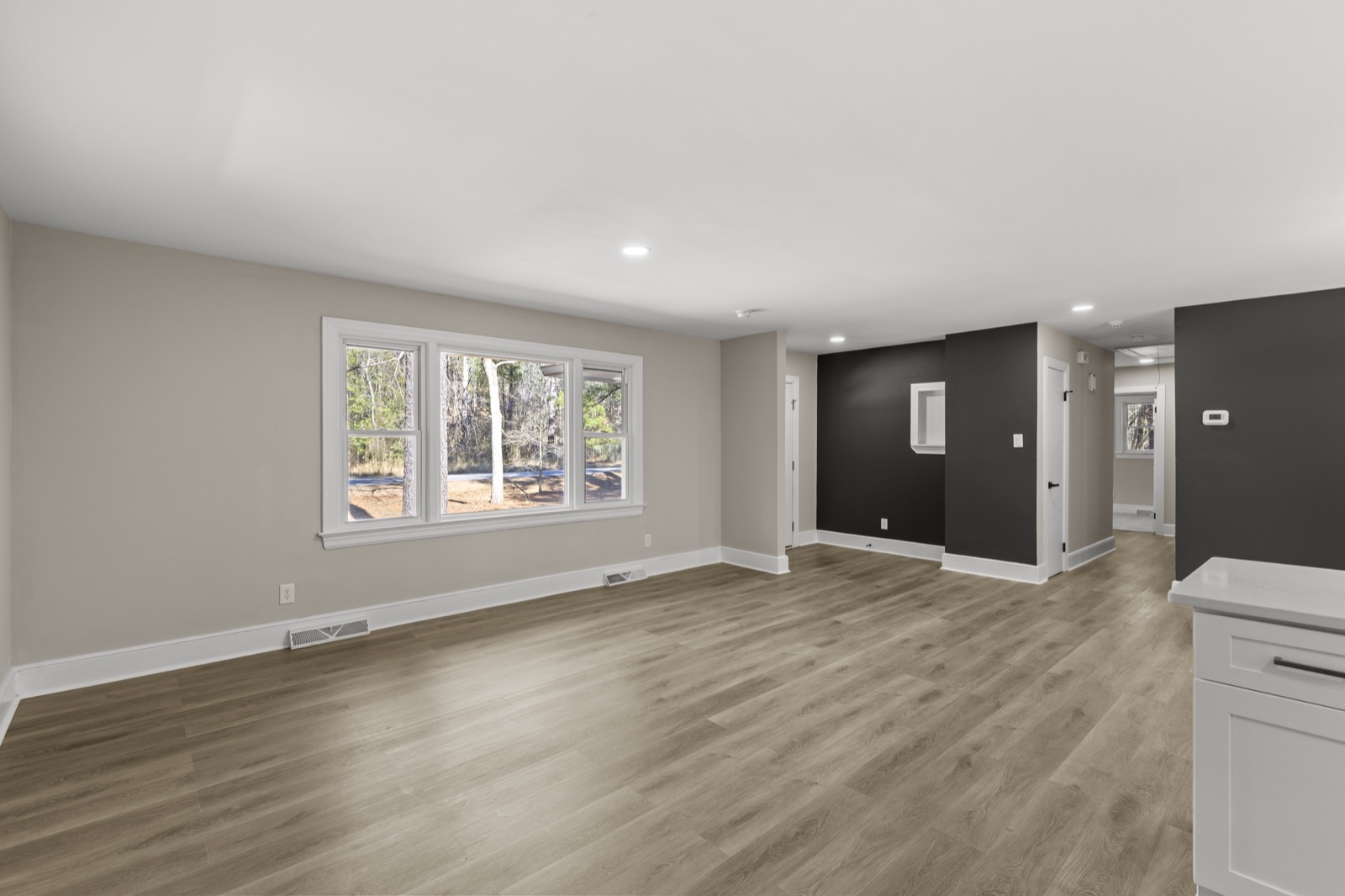
Inside the same home after we closed and renovated.
How Selling for Cash Actually Clears the Back Taxes
The mechanics surprise people because it is simpler than they expect. When we put a house under contract, a North Carolina closing attorney or title company orders an official payoff from the county tax office, the exact figure good through the closing date. At closing, that amount is paid directly to the county out of the sale proceeds, the same way your mortgage payoff is wired to your lender. The deed records, the county's records update, and the tax lien is gone. You do not write a separate check for the taxes and you do not carry the debt afterward. Whatever is left after the taxes, the mortgage, and closing costs is yours.
The one thing that matters is timing. If a foreclosure sale has already been scheduled, we have to close before the court confirms that sale. That is very doable on a cash purchase, which is exactly why speed is the whole point. A cash sale that closes in a week or two beats a financed sale that needs 45 days when there is a date on the calendar.
What We Provide on Every Atlantis Sale
If you reach out about a house with back property taxes, here is what is on the table from our side:
A written same-day cash offer with the back-tax payoff factored in honestly, not a verbal "ballpark" that shrinks on closing day.
Proof of funds, so you know the closing does not depend on us getting a loan.
A North Carolina title company or closing attorney handling the closing and coordinating the exact county tax payoff directly.
A closing date you choose. We have closed in as fast as 7 days when a sale date was close, and we have also held closings open longer when a seller needed time to move.
References from past sellers we have closed with across Wake, Durham, Cumberland, and Johnston counties.
BBB Accredited. AJ and Isabel Jamal, family-owned, buying houses in North Carolina since 2018. Look us up on the Better Business Bureau if it helps you trust the process.
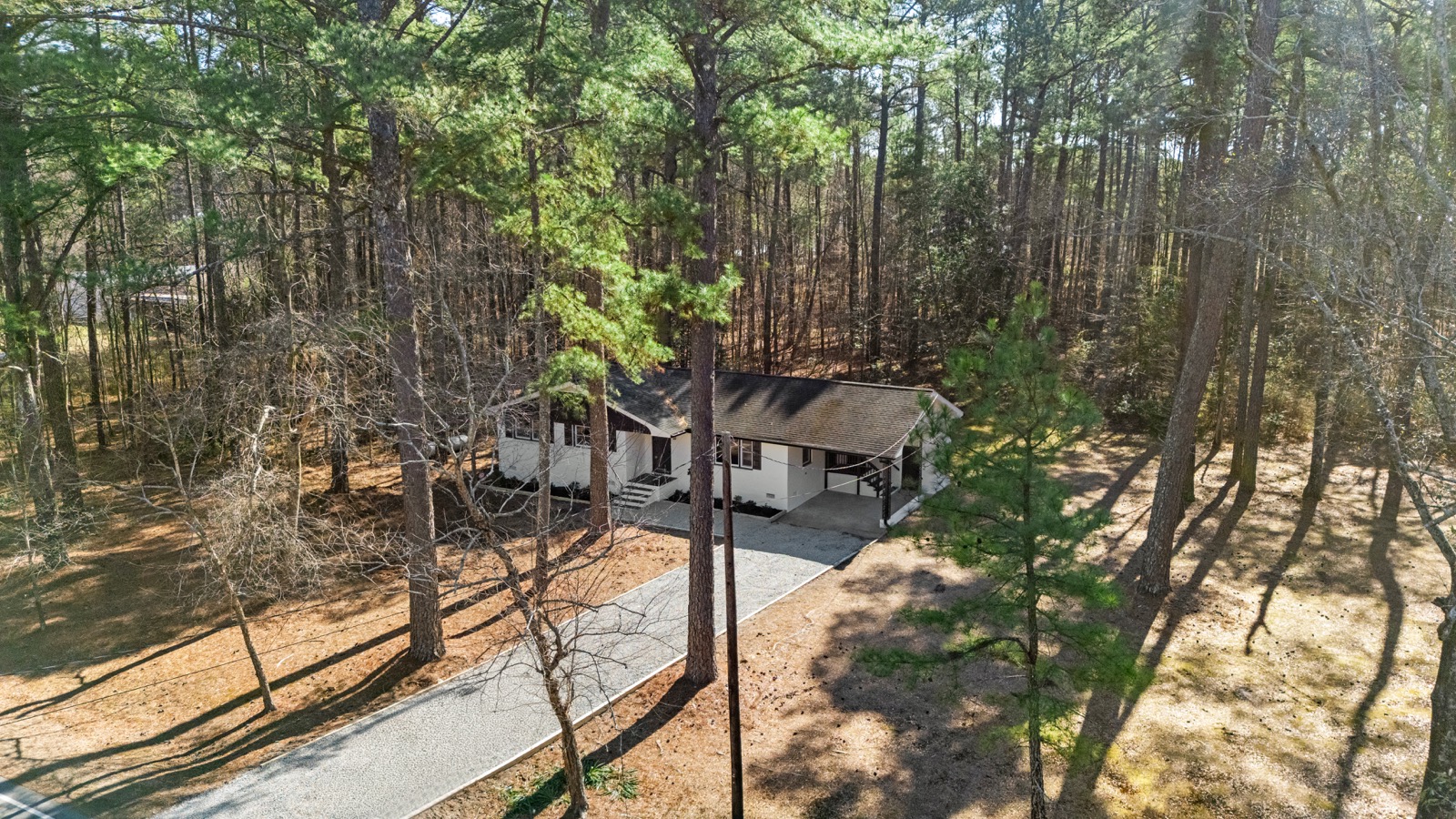
The same property from above. We buy houses all across North Carolina.
What to Have Ready for a First Conversation
Honestly, just the property address. That is all we need to get started. From the address we pull the county tax account ourselves and see the exact amount owed, so you do not have to dig up paperwork or know any of your numbers before you reach out.
If you happen to have any of these handy, they make the offer faster, but none of them are required:
Any recent letters from the county, especially anything that mentions a hearing or a sale date. A photo of the notice works fine.
A rough sense of the timeline you want for closing.
Whether anyone else is on the deed, such as a sibling on an inherited house, an ex-spouse, or a co-owner.
Call (984) 205-6984 or fill out the form on this page with just the address, and we will pull the records, confirm the payoff, and put a written number in front of you. You decide from there.
Unpaid Property Taxes in NC: FAQ
How long can you go without paying property taxes in NC before you lose the house?
There is no single grace period. Taxes become delinquent on January 6, and the county can begin enforced collection or foreclosure any time after that. In practice, many North Carolina counties wait until an account is one to three years behind before they file a tax foreclosure, but that is a choice each county makes, not a guarantee. Once an in rem foreclosure does start, it can move to a confirmed sale in a matter of months. The honest answer is that there is no safe number of years to ignore it.
Can the county really take my house for unpaid property taxes?
Yes. Under General Statutes 105-374 and 105-375, the county can foreclose the tax lien and sell the property at public auction. The important flip side is that you can stop it at any point before the court confirms that sale, either by paying the taxes off or by selling the house and clearing them at closing.
Can I sell my house if I owe back property taxes?
Yes. The delinquent taxes, with interest and costs, are paid out of the sale proceeds at closing, and you keep whatever is left after the taxes and any mortgage. You do not have to pay the taxes off before you sell. If a foreclosure is already underway, the sale just has to close before the court confirms the auction.
Will I still owe the back taxes after I sell?
No. They are paid in full at closing out of the proceeds, the same way a mortgage payoff is handled. Once the deed records, the lien is cleared and you do not carry the tax debt with you.
Can someone pay my back taxes and take my house?
No. North Carolina abolished the sale of tax lien certificates in 1983. A private party cannot pay your overdue taxes and take title. Only the county can foreclose, and it does that by selling the property at a public auction you are notified about, not by transferring your deed to whoever paid the bill.
How fast can you close if I am behind on taxes or near a sale date?
We can close in as little as 7 days when the title is clean and you are ready to sign, and we have closed ahead of scheduled tax sale dates more than once. The title company coordinates the county payoff so the taxes are cleared the day we close. Tell us the date you are worried about and we will tell you honestly whether we can beat it.
If you have a house anywhere in North Carolina with back property taxes and you want to know what a cash offer would look like: call (984) 205-6984 or fill out the form on this page. We will look up the tax account, walk the property at a time that works for you, and have a written, same-day cash offer in your hands, with the back taxes accounted for, before you commit to anything. The sale stays private and you decide after you see the number. If your bigger worry is a missed mortgage rather than taxes, read our guide to selling your house fast before foreclosure in NC. If the house came to you through an estate, see selling an inherited house in NC, and for the seller-focused overview of this exact situation, our delinquent property tax guide.
AJ (Asad Jamal)
Founder, Atlantis Homebuyers
AJ has been buying houses for cash in Raleigh and Central NC since 2018. He's personally involved in every transaction and can be reached at (984) 205-6984.